Your Cart is Empty


There's a word we've never printed on a bottle. It's the reason Ārepa exists, and it took us the better part of a decade to be able to say it out loud.
The word is sarmentosin.
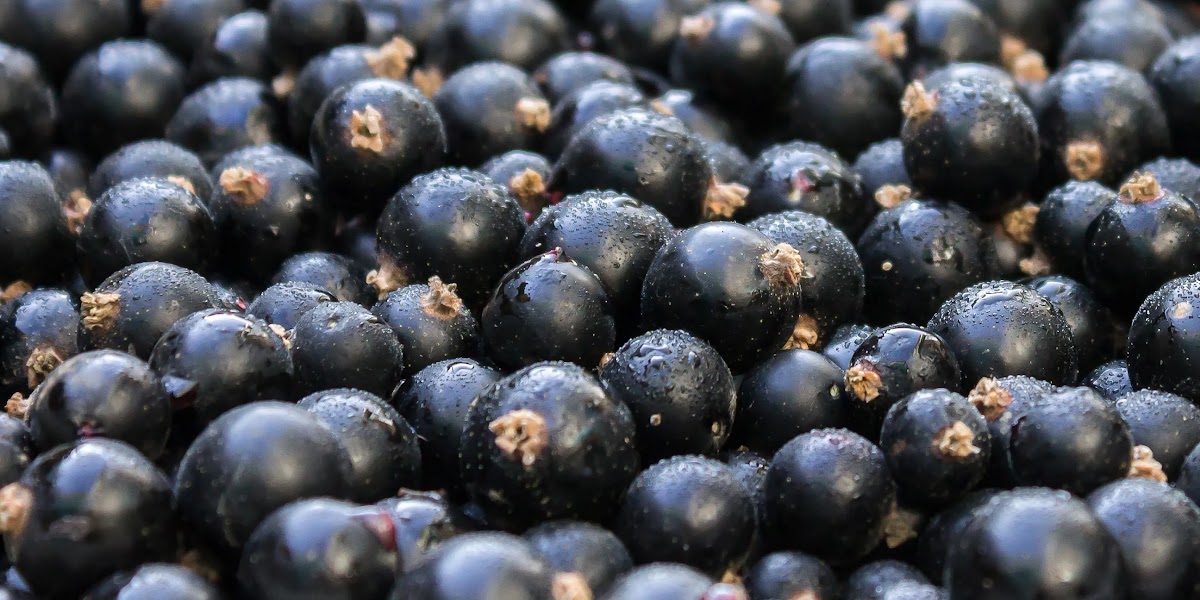
Ārepa started with the New Zealand blackcurrant. Grown at the bottom of the world, under long cold nights and high UV, blackcurrants make more of certain compounds to protect themselves. New Zealand grows a lot of exceptional fruit.
But we didn't stop there. Over the years we've kept testing blackcurrants from around the world, because what matters most isn't only where a berry is grown. It's what's actually inside it.
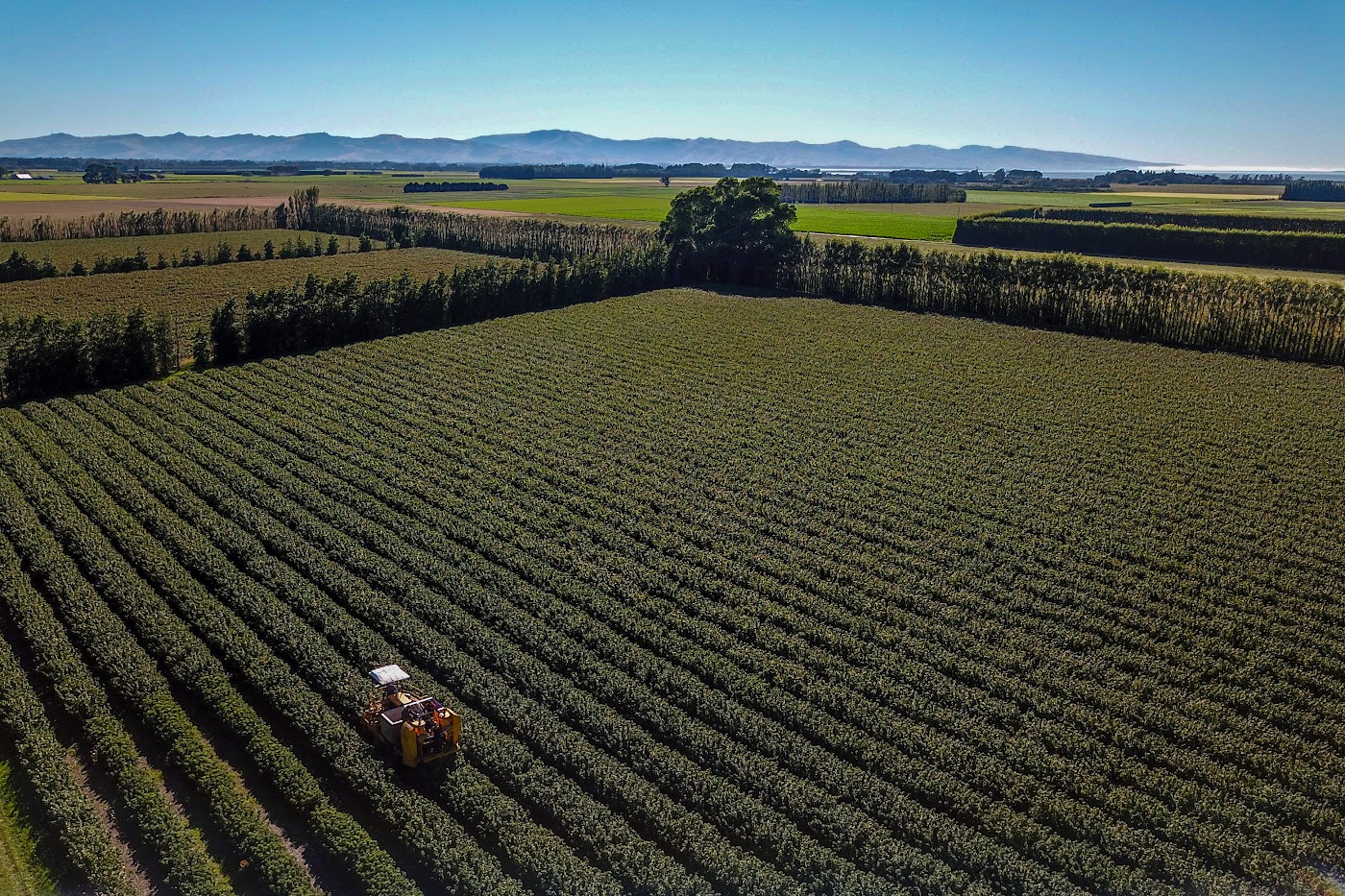
That's why we created Neuroberry. Neuroberry is our own quality mark for blackcurrant. We test the fruit to make sure it reaches the right levels of the compounds we care about, including sarmentosin. Some of the best Neuroberry-grade fruit in the world grows right here in New Zealand. But the standard is the berry, not the postcode.
We started in 2012 with a simple, stubborn idea: make brains work better. A drink designed by neuroscientists, built on this fruit. But an idea isn't an answer. It just tells you where to start looking.
For years, the honest answer to "what exactly is doing the work in there?" was "we're still finding out." So we went looking, properly, using a technique called guided fractionation, working with the Bioeconomy Science Institute, the New Zealand research body that now brings together organisations including Callaghan and Plant & Food Research.
Here is what that actually feels like.
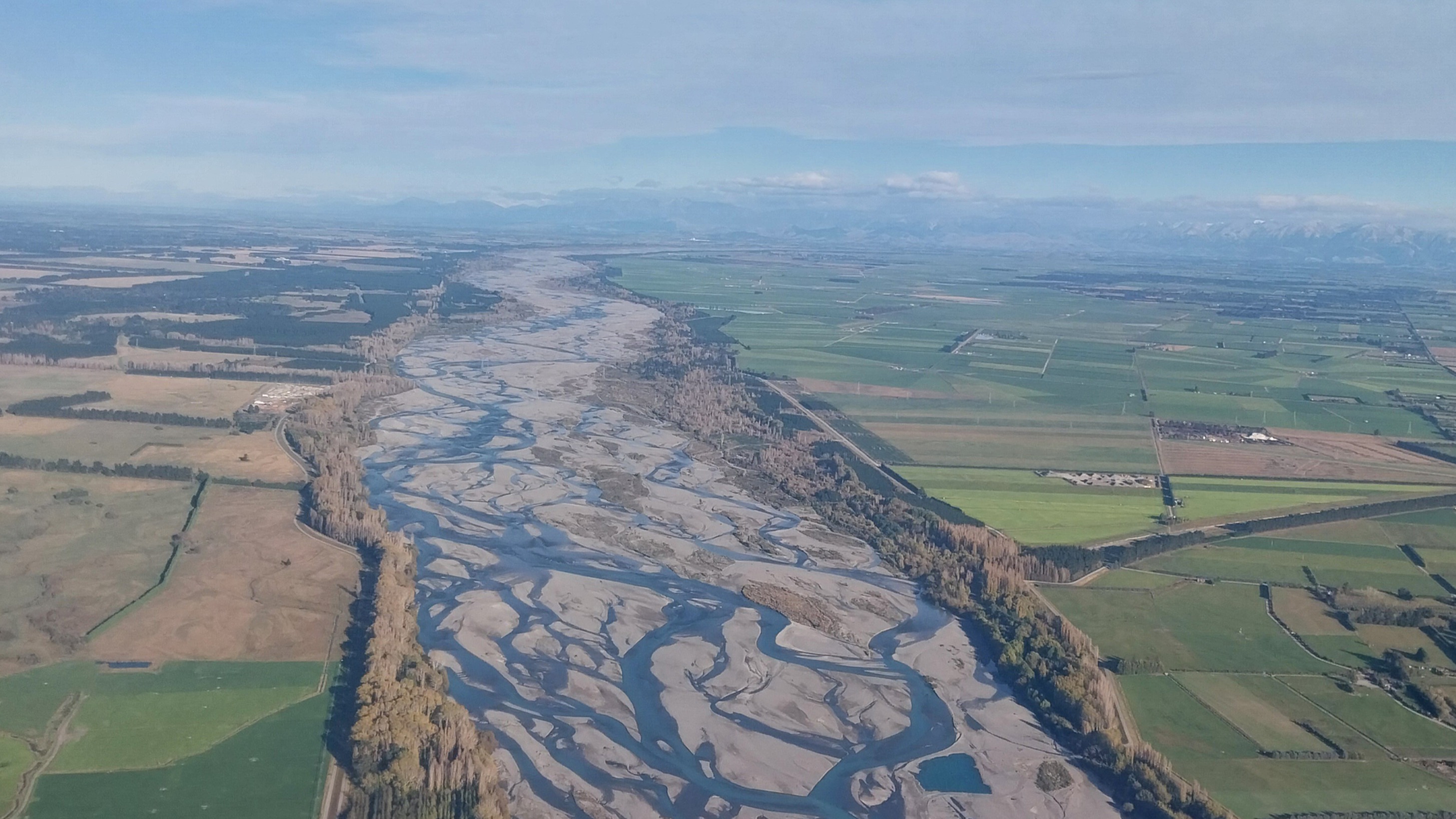
The braided Waimakariri River, Canterbury. Photo: Danny William Wilson, CC BY-SA 4.0.
Imagine trying to find one particular stone in a river. Now imagine you don't even know which branch of the river it sits in. You follow the water downstream, and every time it splits into another channel, you have to work out which one to take. You keep narrowing, channel by channel, fork by fork, until you are standing over the one stone that matters.
That is guided fractionation. You take the blackcurrant, separate it into its parts, follow the branch the science points to, then split that branch again. And again. Ruling things out the whole way.
The obvious fork was the anthocyanins, the deep purple pigments that give blackcurrants their colour. It's where most people would have stopped. But the river kept splitting, and the trail kept leading somewhere else.
It ended at sarmentosin. A naturally occurring compound in blackcurrant, and the one stone we'd been wading toward the whole time without knowing its name.
A discovery like this doesn't happen in a marketing department. It happens in labs, with people who have spent their careers on this. The Bioeconomy Science Institute, which now includes the former Callaghan and Plant & Food Research, is one of New Zealand's most respected science organisations, and the work is ongoing. Science doesn't have a finish line, and we're not pretending it does.
This is why we call ourselves a brain company and not a drinks company. It's why "designed and tested by neuroscientists" isn't a tagline we bought, it's the actual history.
And it's why, after years of quietly building on sarmentosin, we're nearly ready to share something new.
For today, we just wanted you to know its name.
Sip some neuroscience.
Comments will be approved before showing up.